Three Days in Marrakesh: An Itinerary That Avoids the Queues
Three days in Marrakesh is enough if you sequence it right. Here is an itinerary that avoids the queues, the backtracking, and the midday heat.
Three Days in Marrakesh: an Itinerary That Avoids the Queues
Three days in Marrakesh rewards advance planning and punishes spontaneity. The single biggest mistake on a three-day Marrakesh trip is booking nothing and queueing everywhere. Majorelle Garden sells out same-day tickets entirely. Saadian Tombs and Bahia Palace share a Tuesday closure that catches travellers off-guard. The medina's souks swallow time. A second pass becomes impossible on a short stay. This sequence fixes the geography first, then locks in the timed entries that cost you hours if skipped.
Marrakesh is a full-sensory assault of exhaust fumes, touts, and relentless haggling wrapped in superb architecture and warm hospitality. First-timers find the persistent sales pressure in the medina genuinely exhausting, not endearing, and the city is far more conservative than its party reputation suggests. This itinerary assumes you want the major sights without backtracking through the medina or spending your holiday in a queue.

Marrakesh 3-Day Itinerary
This plan sequences three days so you see the major sights without backtracking. Day one keeps you in the souk and square orbit with an early mechoui lunch. Day two clusters the monument district, Bahia Palace, Saadian Tombs, and Medersa Ben Youssef, in a walking loop that takes advantage of the 09:00 opening times. Day three offers a fork: the Ourika Valley day trip if you need mountains, or a hammam recovery morning with the sights you skipped.
Day 1: Souks, Jemaa el-Fna, and the Mechoui Lunch Window
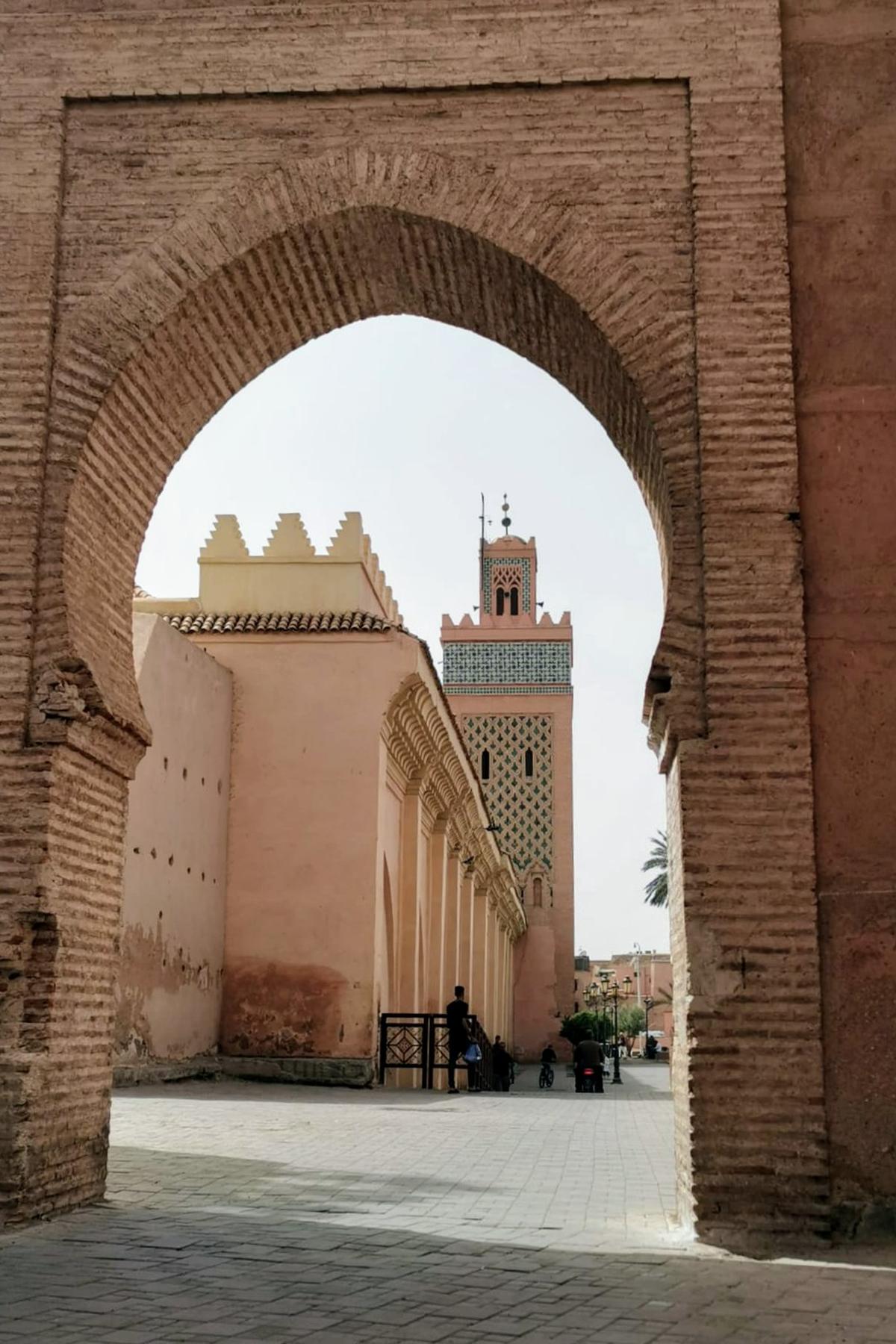
Start at the Koutoubia Mosque exterior, 77 metres of 12th-century minaret that serves as your navigation anchor. The mosque itself is closed to non-Muslims and the visit costs nothing. Walk east to Jemaa el-Fna, then enter the souk via Rue Souk Smarine. This is the tourist retail core, maximum sensory overload, and you are here to orient rather than buy.
Your lunch target is Chez Lamine Hadj Mustapha on Jemaa el-Fna. The dish is mechoui, whole pit-roasted lamb shoulder chopped to order, served with cumin and salt. The price ran 90-120 MAD per portion, and the window is 12:00 until sold out, which often happens by 15:00. Arrive by 12:30 or skip it. The lamb is the reason to be here; the queue logic is the reason to arrive early.
After lunch, walk the souk sections in order: Souk Smarine for textiles, Souk el-Kebir for leather, Souk des Babouches, Rahba Kedima for the apothecary and spice pyramids, then Souk Haddadine for metalwork. Do not buy yet. Stop at Café des Épices on Rahba Kedima square, rooftop mint tea at 25 MAD, to map the lanes below. GPS fails inside the medina's covered lanes, so the rooftop view is your mental map.
Sunset belongs to Jemaa el-Fna from a terrace. Le Grand Balcon du Café Glacier charges 20 MAD for mint tea, 15 MAD for fresh orange juice. The view is chaos from above, which is the only safe way to watch it. Dinner is at the food stall row. Stall No. 1 (Chez Hassan) does merguez and brochettes at 25-40 MAD per skewer; a full meal with sides and a drink runs 80-120 MAD. Eat early, eat fast, and walk back through the side alleys to avoid the fake guides offering to lead you to the square.
Day 2: Monuments, Madrasa, and a Real Hammam
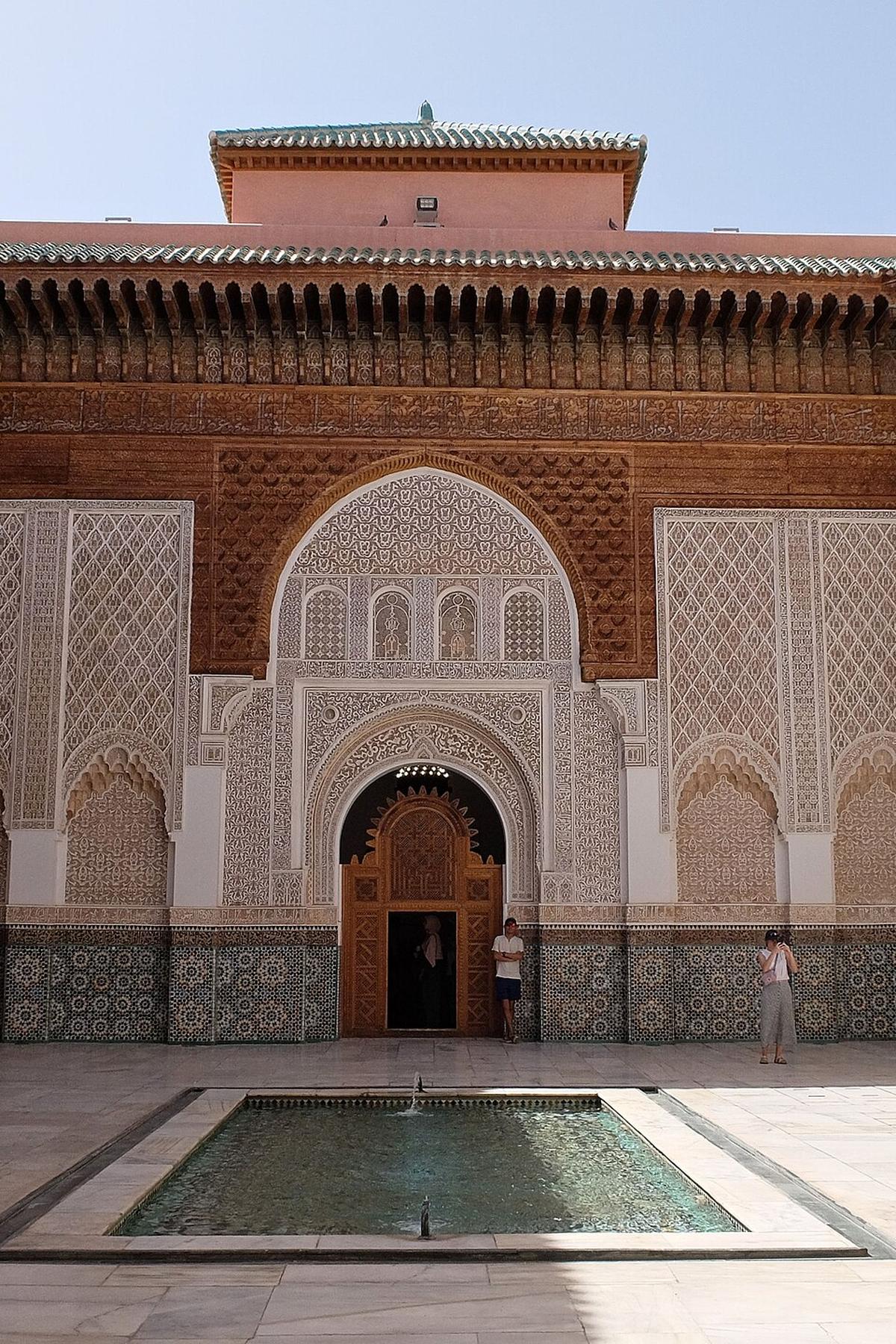
Three monuments, one walking loop, zero backtracking. Bahia Palace opens at 09:00 and costs 70 MAD. No advance booking is available, so arriving at 08:50 puts you at the front of the queue. The 19th-century tile work is the draw; the crowds arrive by 10:00. Walk south to the Saadian Tombs, same 70 MAD entry, same 09:00-17:00 hours, closed Tuesdays. The tombs were sealed for centuries and reopened in 1917; the queue forms by 10:30, which is your target arrival time. From the tombs, walk north through the Kasbah to Medersa Ben Youssef, entry 50 MAD, open daily 09:00-18:00. The recently restored central courtyard is the best example of 14th-century Islamic college architecture in the city. Arrive by 11:30 and you clear all three sights before the lunch rush.
Lunch at Nomad on Derb Aarjane, spiced lamb burger or courgette fritters at 110-160 MAD for a main course. Reserve 2-7 days ahead via their website; walk-ins wait 30-60 minutes. After lunch, the Musée de Marrakech is optional at 50 MAD and can be skipped if you are tight on time.
The afternoon hammam is Hammam de la Rose in the Dar el-Bacha area. A traditional hammam with gommage (black soap scrub) runs 45-60 minutes at 350 MAD. Book 24-48 hours ahead via phone or website. Luxury hotel hammams at La Mamounia or Royal Mansour start at 1,200-2,500 MAD and the scrub quality is not proportionally better. Spend the difference on dinner.
Evening drinks at Kabana on Rue des Banques, cocktails at 120-150 MAD with a direct sightline to the Koutoubia minaret. Dinner at Le Jardin on 32 Souk el Jeld, chicken pastilla or vegetable tagine at 120-180 MAD. Same-day reservations are usually possible for an early 19:00 seating.
Day 3: Majorelle, Guéliz, and the Final Souk
This is the day that requires advance booking. Jardin Majorelle and the Yves Saint Laurent Museum combined ticket costs 220 MAD; the garden-only ticket is 165 MAD. Online ticket purchase only, no gate sales. Slots release seven days ahead at 08:00 Marrakesh time. Book for 08:30 entry. The garden opens at 08:30 and last entry is 17:00. Arriving at 08:30 means you share the cobalt-blue cactus garden with roughly thirty other people instead of three hundred. By 10:00 the queue wraps around the block.
After the garden, walk Rue Yves Saint Laurent into Guéliz. Coffee at Café du Livre on 44 Rue Tarik Ibn Ziad, espresso at 18 MAD. Lunch at +61 on 96 Rue Mohammed el-Beqqal, slow-roasted lamb shoulder with pomegranate at 140-190 MAD. Reserve 1-3 days ahead.
Return to the medina in the afternoon for final purchasing. Target leather babouches at 150-300 MAD, culinary-grade argan oil at 100-200 MAD for 250 ml, and Berber wool blankets at 400-1,200 MAD depending on size and knot density. Cash-only at every stall; ATMs run dry on weekends and holidays, so withdraw 1,000 MAD per shopping day and hide the rest.
Sunset at El Fenn rooftop on Derb Moulay Abdullah Ben Hezzian. Non-guests are welcome for drinks subject to capacity, cocktails at 140-180 MAD. Dinner at Dar Yacout on 79 Rue Sidi Ahmed Soussi, fixed menu at 700 MAD per person, drinks excluded. Reserve a minimum of one week ahead; two to three weeks in high season from March to May and October to November. The theatrical setting justifies the outlay once, but it is not repeat-dining value. Al Fassia in Guéliz offers a better food-to-price ratio at 250-400 MAD à la carte if you prefer substance over spectacle.
Marrakesh Weekend Plan: the 3-Day Route for First-Timers
A Marrakesh weekend plan for first-timers cuts the city into three digestible chunks. Day one is the medina and Jemaa el-Fna. Day two is the monument corridor from the Kasbah to the medina centre. Day three is Majorelle and the new city. This avoids the single most common complaint: that the medina feels overwhelming because you tried to do it all in one go without a route.
First-timers should budget for the Petit Taxi as the dominant mode for distances beyond walking. Insist on the meter; drivers often forget it. The metered fare from the medina to Guéliz runs 15-25 MAD. From the airport, the fixed daytime fare for a Petit Taxi is 70-100 MAD, or 30 MAD on the ALSA bus No. 19 which departs every 30 minutes to Jemaa el-Fna. Ignore touts offering help at the taxi rank.
The biggest trip-up for first-timers is booking a riad deep in the medina without checking the nearest car-accessible drop-off point. Dragging wheeled suitcases through 15 minutes of unpaved, unsigned alleys at night while children offer help for money is a preventable mistake. Pick a riad within a five-minute walk of a taxi-accessible point, or pay for a porter, 5-10 MAD per bag, at the drop-off.
How to Spend 3 Days in Marrakesh Without a Day Trip
If you choose not to leave the city, a three-day Marrakesh plan uses the fourth-morning fallback from the 4-day slower version. Day four morning visits Le Jardin Secret on Rue Mouassine, 80 MAD entry, open 09:30-18:00 daily. Then walk the Mellah, the old Jewish quarter, hitting the spice souk, Place des Ferblantiers, and Lazama Synagogue at 20 MAD entry. Lunch at Bacha Coffee in Dar el-Bacha, no reservations, arrive before 11:30 or expect a 45-90 minute wait. A single-origin coffee pot runs 50-120 MAD; pastries 35-60 MAD. Afternoon at the Maison de la Photographie on Rue Ahl Fes, 50 MAD entry with mint tea included on the rooftop. If you skipped the Yves Saint Laurent Museum on Day 3, this is the slot to add it. A second hammam at Les Bains de Marrakech costs 300 MAD. Evening dinner and show at Comptoir Darna in Hivernage, 400-600 MAD per person, reserve 3-7 days ahead. The belly-dancing floor show is slick and tourist-calibrated; the food is adequate but not the reason to go.
This version skips the Ourika Valley entirely, which is the right call if you have exactly three days and want density over driving. The Ourika Valley requires a full-day commitment, one hour each way by grand taxi or shared minibus from Sidi Mimoun, and the waterfall hike and riverside tagine lunch eat a day you could spend on the medina. Save it for a fourth day if you have one.

What to Skip and What it Costs
The tanneries in Marrakesh are small-scale. The aggressive guiding and hard-sell leather shops outweigh the visual interest. Fes does this better. Skip them.
Desert day trips, Ourika Valley, Ouzoud Falls, Aït Benhaddou, require a minimum of six to eight hours round-trip driving. A three-day itinerary cannot absorb a desert excursion without losing two medina half-days. Skip them on a short stay.
Jardin Anima and hot-air balloon rides each consume a half-day for a single experience. The balloon ride requires a pre-dawn 04:30-05:00 pickup, costs 2,200-2,800 MAD per person, and the Atlas view is weather-dependent and frequently hazy. Skip both on a three-day trip.
Agafay Desert luxury camp dinners involve a 45-60 minute drive each way, a set-menu dinner at 400-700 MAD, and a rocky landscape that is not sand dunes. The experience is a constructed event, not a landscape worth the transit time on a compact itinerary.
Marrakesh Itinerary First-Timers: Practical Rules
Every volatile rule should be sent back to the operator before you book. Opening hours and prices tagged as annual figures, Bahia Palace closed Tuesday, Saadian Tombs closed Tuesday, Majorelle booking slots released seven days ahead, change on schedules the operator controls. Verify the rates for your dates against the official website before you commit.
Cash dependency is real. Most medina businesses, small restaurants, and taxis are cash-only. ATMs run dry on weekends and holidays. Withdraw 1,000 MAD per shopping day at the airport or in Guéliz, not from medina machines. The haggling range starts at three to four times the final acceptable price; aim to settle at 30-40% of the opening ask.
Alcohol is only available in licensed hotel bars, a handful of riad rooftops, and Guéliz restaurants. No off-licence shops exist in the medina. Ramadan 2027 runs approximately 09 February to 10 March; some daytime food stalls shut and alcohol service is suspended in many venues. Plan around this or accept reduced daytime options.
Medina motorbikes speed through one-metre-wide alleys without warning. Pedestrian right-of-way does not exist. Walk with your back to the wall and never assume a driver will stop. Fake guides offering to show you the square will lead you in circles and demand 100-200 MAD for the tour. Say no and keep walking.
Common Questions
What is the best time of year for a Marrakesh weekend plan?
Peak season runs November and March, April when daytime temperatures sit at 22-28°C, nights are cool, and skies are clear. Christmas and Easter holidays spike prices and crowd the medina. Avoid July, August when temperatures hit 40-45°C, making midday exploration dangerous. Also avoid the last 10 days of Ramadan if you want daytime food and normal business hours.
How much cash should I carry for three days in Marrakesh?
Withdraw 1,000 MAD per shopping day at the airport or in Guéliz. Most medina businesses, small restaurants, and taxis are cash-only. ATMs run dry on weekends and holidays, so do not rely on them for mid-day top-ups.
Can I visit Majorelle Garden without a pre-booked ticket?
No. Online ticket purchase is mandatory. No gate sales exist. Slots release seven days ahead at 08:00 Marrakesh time. Book for 08:30 entry to avoid the queue that forms by 10:00.
Which sights are closed on Tuesdays in Marrakesh?
Bahia Palace and Saadian Tombs are both closed Tuesdays. Plan Day 2 around this, visit them on a Wednesday through Monday, and use Tuesday for Majorelle and the new city instead.
How do I get from Marrakesh airport to the medina?
The Petit Taxi fixed daytime fare is 70-100 MAD; insist on the meter or agree the price before boarding. The ALSA bus No. 19 costs 30 MAD, departs every 30 minutes, and terminates at Jemaa el-Fna. Ignore touts offering help at the taxi rank.
Is it safe to walk in the medina at night?
The medina is safe but the narrow, unpaved lanes are poorly lit and motorbikes speed through without warning. Walk on main arteries like Rue Sidi Abdelaziz and avoid unlit side alleys. Stick to routes you walked during daylight hours.
Should I book a guided tour, or can I do this itinerary independently?
This itinerary is designed for independent travel. The sequence is walkable, the entry fees are low, and the advance bookings are straightforward. A guided tour adds value only if you want historical context you will not read from a plaque. For a first-timer on a three-day trip, independent movement gives you more flexibility to dodge crowds.
Read next
-
 Marrakesh Hotels and Riads What the Upgrade Genuinely Buys
Marrakesh hotels and riads range from unheated courtyard dars to Hivernage five-stars. Here is what the extra dirhams actually buy you beyond the photographs.
Marrakesh Hotels and Riads What the Upgrade Genuinely Buys
Marrakesh hotels and riads range from unheated courtyard dars to Hivernage five-stars. Here is what the extra dirhams actually buy you beyond the photographs.
-
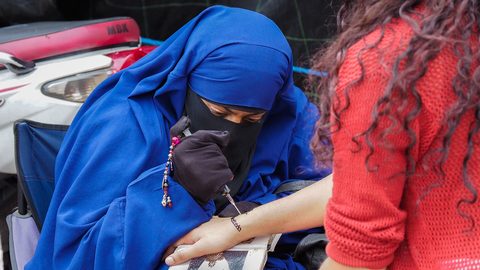 Where to Stay in Marrakesh Medina, Hivernage or the Palmeraie
Where to stay in Marrakesh comes down to one question: how much medina chaos can you genuinely tolerate? Here is what each district actually delivers.
Where to Stay in Marrakesh Medina, Hivernage or the Palmeraie
Where to stay in Marrakesh comes down to one question: how much medina chaos can you genuinely tolerate? Here is what each district actually delivers.
-
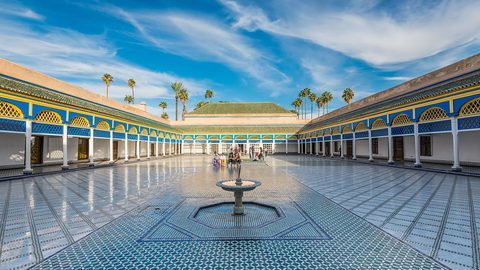 Marrakesh Things to Do Worth the Queue and What I Would Skip
Marrakesh things to do range from the genuinely magnificent to the queue-filled letdown. Here is where to spend your time and what to skip without guilt.
Marrakesh Things to Do Worth the Queue and What I Would Skip
Marrakesh things to do range from the genuinely magnificent to the queue-filled letdown. Here is where to spend your time and what to skip without guilt.
-
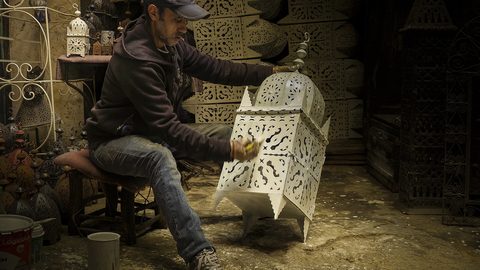 Getting Around Marrakesh When the Taxi Cannot Reach Your Riad
Getting around Marrakesh means mastering petit taxis with broken meters, medina lanes where Google Maps fails, and the No. 19 airport bus that everyone overlooks.
Getting Around Marrakesh When the Taxi Cannot Reach Your Riad
Getting around Marrakesh means mastering petit taxis with broken meters, medina lanes where Google Maps fails, and the No. 19 airport bus that everyone overlooks.
-
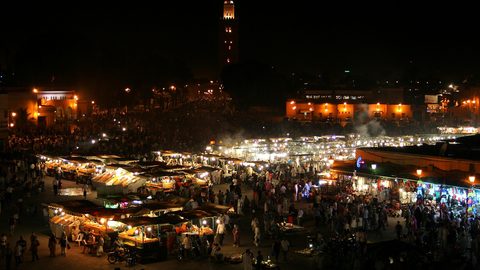 Eating in Marrakesh The Tables Worth Booking and the Stalls That Are Theatre
Eating in Marrakesh means pit-roasted mechoui at lunch, tangia from furnace ashes, and Jemaa el-Fna stalls where the theatre sometimes outshines the food. Here is what to order.
Eating in Marrakesh The Tables Worth Booking and the Stalls That Are Theatre
Eating in Marrakesh means pit-roasted mechoui at lunch, tangia from furnace ashes, and Jemaa el-Fna stalls where the theatre sometimes outshines the food. Here is what to order.
-
 Marrakech glamping and when the tent is actually worth the price
When Marrakech glamping is a genuine desert night with fire and silence, and when it is just an expensive tent with a photo opportunity.
Marrakech glamping and when the tent is actually worth the price
When Marrakech glamping is a genuine desert night with fire and silence, and when it is just an expensive tent with a photo opportunity.
-
 Talking to Marrakech Travel Writers About What They Do Differently
Marrakech travel writers explain how they vet medina fixers, talk to riad owners off-record, and why they refuse free hammam treatments.
Talking to Marrakech Travel Writers About What They Do Differently
Marrakech travel writers explain how they vet medina fixers, talk to riad owners off-record, and why they refuse free hammam treatments.
-
 How to Read a Marrakech Destination Guide Without Getting Burnt
Marrakech destination guides carry specific biases in their medina maps, riad listings, and restaurant picks. Learn to read them critically.
How to Read a Marrakech Destination Guide Without Getting Burnt
Marrakech destination guides carry specific biases in their medina maps, riad listings, and restaurant picks. Learn to read them critically.
-
 Marrakech Hotels With Resident Animals and What That Actually Means
Some Marrakech hotels keep peacocks, tortoises, and camels. Here is how to separate genuine animal care from a lobby photo opportunity.
Marrakech Hotels With Resident Animals and What That Actually Means
Some Marrakech hotels keep peacocks, tortoises, and camels. Here is how to separate genuine animal care from a lobby photo opportunity.