Finding the Best Time to Visit Marrakesh When Heat Evenings and Rates Align
The best time to visit Marrakesh is November or March–April when daytime temperatures sit at 22–28°C. Here is when to go, when to avoid, and why winter evenings surprise people.
The Best Time to Visit Marrakesh: What Most Travellers Get Wrong
Most first-time visitors assume Marrakesh works any month. That assumption costs money and comfort. The best time to visit Marrakesh comes down to three variables that shift month to month: daytime temperature, crowd density, and room rate. All three rarely align. July and August deliver the cheapest rates at the city's top hotels. They also deliver daytime temperatures that make walking through the medina dangerous. Christmas and Easter bring perfect weather and the highest nightly rates of the year. The months that genuinely deliver a balance of bearable heat, manageable crowds, and fair pricing are November and the March-to-April window. This explains exactly which months deliver on which promise and which ones you should skip.
The Two Genuine Sweet Spots: November and March April
Why These Months Work As Walking Weather
November and the March-to-April window are the periods when Marrakesh functions best as a walking city. Daytime temperatures sit between 22 and 28 degrees Celsius. Nights cool off enough that you need a layer, but not so much that an unheated riad becomes uncomfortable. The skies are clear. The medina lanes are busy but not impassable. Jemaa el Fna has room to move. These are the months when the city's core experience works without the city fighting back: wandering the souks, photographing the carved doorways, eating street-side.
Watch The French School Holiday Window
March and April sit inside the spring school holiday zone for French schools in Zone C, which covers Paris, Montpellier, and Toulouse. The 2027 spring break runs from 17 April to 3 May. That pushes prices up and fills the medina. Travel in early March or late April, outside the French holiday window, and the experience improves. November escapes European school holidays in the same way, which makes it the quieter of the two windows.
Late autumn is also the rainiest period in Marrakesh, with an average of 31 millimetres of precipitation. That is not a washout. It means a few wet afternoons in a month of otherwise clear weather. Pack a light waterproof and keep moving. A brief rain shower clears the touts off the streets and leaves the medina smelling of wet stone and spices.

Marrakesh Weather by Month: What the Numbers Actually Mean
Summer Heat Is Dangerous, Not Just Uncomfortable
The averages tell a story the tourism brochures leave out. July and August have average high temperatures of 37 degrees Celsius. That is the official figure. On the ground, the heat in the medina's narrow, uncovered alleys pushes past 40 degrees. The tarmac of Jemaa el Fna radiates stored heat well into the evening. Midday exploration between 11:00 and 17:00 is dangerous. Dehydration, heat exhaustion, and sunstroke are real risks for anyone spending more than twenty minutes walking through the covered souks, where air movement is minimal.
The driest months are July and August, with an average of 1 to 2 millimetres of rain each. That sounds ideal. It is not. The absence of cloud cover means direct sun exposure from early morning until sunset. Any riad without a pool becomes poor value in these months because the rooftop terrace becomes unusable for six hours of the day. Pool-heated riads are rare in Marrakesh. Most pools are unheated. A pool is comfortable for swimming without heating from late May to late September. From late autumn through March, most pools are too cold for most guests.
Winter Cold Bites Harder Than The Averages Suggest
January has an average low of 6 degrees Celsius. Unheated riads in winter are genuinely cold. The architecture that makes the medina beautiful, thick earthen walls, high ceilings, tiled courtyards open to the sky, also makes it difficult to heat. Travel between December and February, and a riad with a working fireplace or a space heater is a requirement, not a luxury. Budget for that when comparing room rates.
Marrakesh Peak Season: When You Pay More for the Same Room
Marrakesh peak season is not July and August. Peak season is the late autumn and the March-to-April window. That is when daytime temperatures are comfortable, the skies are clear, and the medina is full. The Christmas and Easter holidays are the sharpest price-spike periods within that peak season. Top-tier properties like La Mamounia, Royal Mansour, and Mandarin Oriental peak their room rates from Christmas through New Year, over Easter, and during the last two weeks of February. The late-winter peak aligns with the UK half term, which for most English schools in 2027 runs from 13 to 21 February, and the French winter break for Zone C, which runs from 13 February to 1 March 2027. That is a concentrated window when three separate school holiday calendars overlap in Marrakesh.
The rate difference is extreme. Royal Mansour riad entry price in August was roughly half its February peak. Mandarin Oriental pool villa entry price in August was roughly half its February peak. The exact same rooms, the exact same service, double the cost. Decide whether Marrakesh is worth the rate knowing the low-season discount is real and the peak-season markup is not a small percentage.
Marrakesh in July and August: the Heat Discount is Real but Has a Catch
July and August are the cheapest months to stay at Marrakesh's best hotels. They are also the hardest months to enjoy the city. The rate drop at La Mamounia, Royal Mansour, and Mandarin Oriental is dramatic. La Mamounia entry-level rooms drop well below peak rates in mid-July through late August, excluding Eid. Royal Mansour at roughly half its peak rate. Mandarin Oriental at roughly half its peak rate. The numbers look like a deal.
The reality of a July or August day in Marrakesh is this: you wake early, eat breakfast, and have about two hours of tolerable outdoor time before the heat forces you indoors. By 11:00 the medina is a heat trap. The rooftop terrace of your riad is unusable. The souks are stifling. The only sensible places to be are the air-conditioned rooms of your hotel, the shaded gardens of a property like Majorelle Garden, or a hammam. The pool, if your hotel has one, is the main asset. La Mamounia in August is a pool day with short excursions into the heat. Royal Mansour's private riad format means you can retreat to your air-conditioned room, but the outdoor courtyard becomes unusable at midday. Amanjena in July and August is not worth the rate even at a discount. The dry heat makes the garden setting feel exposed and the rate does not drop enough to compensate.
Plan to spend your days inside an air-conditioned hotel reading by the pool. July and August work for that. Plan to explore the medina, photograph the monuments, eat street food, and walk the souks. July and August are a mistake.
Ramadan in Marrakesh: the Last Ten Days Are the Problem
Daytime Food Vanishes From The Medina
Ramadan in Marrakesh changes the rhythm of the city in ways that catch travellers off guard. The 2027 dates are an astronomical estimate of 8 February to 9 March. The 2026 dates were 18 February to 19 March. During the holy month, daytime food availability in the medina drops sharply. Cafes and restaurants in the medina are closed until late afternoon. International hotels serve food as normal, but the street food stalls that define Marrakesh's food scene largely shut down during daylight hours. Eating, drinking, and smoking in public during daylight is legally restricted and widely frowned upon.
Avoid The Final Ten Days
The last ten days of the fasting month are the window to avoid. This is when the city is at its most disorienting for a tourist. Daytime food vanishes from the medina. Business hours become unpredictable. Many licensed bars and restaurants close for the month, and some only reopen after iftar, the evening meal that breaks the fast. The city comes alive after sunset. If your energy peaks in the morning and afternoon, the last ten days will frustrate you.
The holy month itself is not a bad time to visit if you prepare correctly. The evenings are electric. Stall 31 on Jemaa el Fna serves its famed harira, chickpea and lentil soup, eaten after sunset with chebakia sesame cookies. The atmosphere is communal and celebratory. Do not arrive expecting to eat a spleen sandwich at Chez Hicham at 14:00. You will be hungry.
Eid Al Fitr and Eid Al Adha: Price Spikes and Minimum Stays
Eid al Fitr marks the end of the fasting month, and Eid al Adha falls at an estimated 16 to 20 May 2027. Both periods trigger rate spikes at top properties and minimum-stay rules of three to five nights. The exact dates depend on the official moon sighting by Moroccan religious authorities. Do not book non-refundable travel on the assumption that a published date is final. Budget for a premium on accommodation and expect the medina to be crowded with Moroccan families on holiday, not with international tourists.

How to Book Around the Crowds and the Cold
Pick A Riad You Can Actually Reach
The single biggest booking mistake is choosing a riad without checking the nearest car-accessible drop-off point. The medina is a maze of narrow, unpaved alleys. Wheeled suitcases do not roll on those surfaces. At night, children offer to carry your bags and then demand payment. Book a riad within a five-minute walk of a main drag like Rue Sidi Mimoun or Rue Bab Doukala. If Google Maps shows your riad deep in a residential lane with no taxi access, find another riad.
Heat And Cash: Two Friction Points
Winter evenings in Marrakesh are colder than the daytime high suggests. An unheated riad with a courtyard open to the sky will be cold from late autumn through March. A room with a space heater or a fireplace is the difference between a romantic winter escape and a miserable night. Ask before you book. If the riad cannot confirm heating, book a hotel in Gueliz or Hivernage where the buildings are built to a European standard.
Cash dependency is another friction point. Most medina businesses, small restaurants, and taxis are cash only. ATMs run dry on weekends and holidays. Withdraw cash at the airport or in Gueliz, not in the medina. A Maroc Telecom SIM bought at the Menara Airport booth is the cheapest and most reliable connectivity option. Medina resellers sell unregistered cards that deactivate after 48 hours. Buy the SIM before you leave the airport.
The Single Best Reason to Visit Marrakesh in November
Late autumn offers the best combination of comfortable walking weather, low European holiday traffic, and rates that have not yet peaked for Christmas. The average daytime temperature of 22 to 25 degrees Celsius is ideal for the long walking days that Marrakesh demands. The cool nights make the rooftop terraces of the medina restaurants usable for dinner. The light is clear and low, the best light for photographing the Koutoubia Mosque minaret, the Bahia Palace tile work, and the Saadian Tombs. This month sits outside the French and UK school holiday calendars. The medina is busy but not choked. If you have to pick one month, this is the answer.
An Honest Caveat Before You Book
Marrakesh is not a city that meets every traveller halfway. The medina is a full sensory assault of exhaust fumes, touts, and relentless haggling wrapped in elaborate architecture and warm hospitality. First-timers find the persistent sales pressure genuinely exhausting, not endearing. The city is far more conservative than its party reputation suggests. Solo female travellers need a high tolerance for street attention. Mobility-impaired visitors will struggle with medina lanes that are narrow, unpaved, and choked with motorbikes that speed through one-metre-wide alleys without warning, because pedestrian right of way does not exist. The fake guide problem is real: men offering to show you the way to the square will lead you in circles and demand 100 to 200 MAD for the tour. The taxi meter refusal is standard at Jemaa el Fna and the airport, where drivers quote three to five times the metered fare. Walk two blocks away from the main square before hailing a taxi. That solves most of the problem. Marrakesh rewards preparation and punishes naivety. Arrive with a plan, cash in hand, a SIM card already active, and the full knowledge that the city will try to separate you from your money at every opportunity. Have that, and the late-autumn and early-spring months will deliver trips that justify every dirham spent.
Common Questions
What is the best month for walking around the medina all day without overheating?
November and March. Both months have daytime temperatures between 22 and 28 degrees Celsius, cool nights, and clear skies. The medina is walkable from early morning until evening without the heat forcing you indoors.
Is July or August ever worth the heat if the hotel rate is cheap enough?
Only if you plan to spend most of your time in an air-conditioned hotel or by a pool. The rate discounts at La Mamounia, Royal Mansour, and Mandarin Oriental are real, but the outdoor medina experience is compromised. A medina riad without a pool is poor value in July and August because the rooftop becomes unusable between 11:00 and 17:00.
Can I find street food during Ramadan?
Not during the day. Medinas cafes and restaurants close until late afternoon. International hotels serve food as normal. Street food stalls operate after iftar, the evening meal that breaks the fast. The last ten days are the hardest period for daytime food availability.
How much more expensive is Marrakesh during Christmas and Easter?
Top hotels roughly double their rates. Royal Mansour riad entry price in February was roughly double its August low. Mandarin Oriental pool villas were roughly double in February compared to August. Price the route on the programme's own search before you transfer anything.
What is the biggest mistake first time visitors make with their accommodation?
Booking a riad deep in the medina without checking the nearest car-accessible drop-off point. Dragging wheeled suitcases through unpaved, unsigned alleys at night while children offer help for money is a common experience that a five-minute planning check can prevent.
Read next
-
 Marrakesh Hotels and Riads What the Upgrade Genuinely Buys
Marrakesh hotels and riads range from unheated courtyard dars to Hivernage five-stars. Here is what the extra dirhams actually buy you beyond the photographs.
Marrakesh Hotels and Riads What the Upgrade Genuinely Buys
Marrakesh hotels and riads range from unheated courtyard dars to Hivernage five-stars. Here is what the extra dirhams actually buy you beyond the photographs.
-
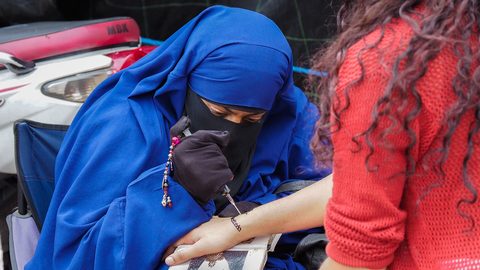 Where to Stay in Marrakesh Medina, Hivernage or the Palmeraie
Where to stay in Marrakesh comes down to one question: how much medina chaos can you genuinely tolerate? Here is what each district actually delivers.
Where to Stay in Marrakesh Medina, Hivernage or the Palmeraie
Where to stay in Marrakesh comes down to one question: how much medina chaos can you genuinely tolerate? Here is what each district actually delivers.
-
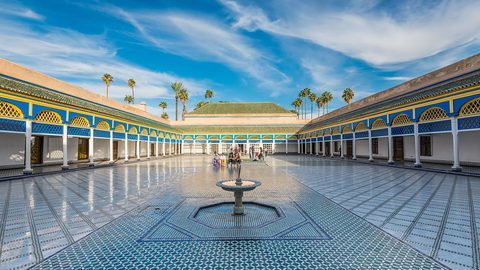 Marrakesh Things to Do Worth the Queue and What I Would Skip
Marrakesh things to do range from the genuinely magnificent to the queue-filled letdown. Here is where to spend your time and what to skip without guilt.
Marrakesh Things to Do Worth the Queue and What I Would Skip
Marrakesh things to do range from the genuinely magnificent to the queue-filled letdown. Here is where to spend your time and what to skip without guilt.
-
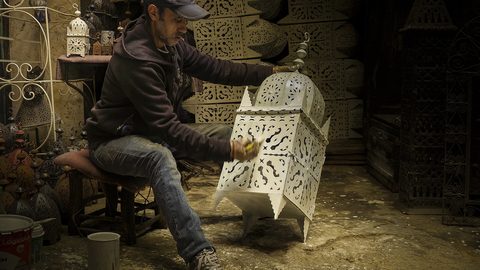 Getting Around Marrakesh When the Taxi Cannot Reach Your Riad
Getting around Marrakesh means mastering petit taxis with broken meters, medina lanes where Google Maps fails, and the No. 19 airport bus that everyone overlooks.
Getting Around Marrakesh When the Taxi Cannot Reach Your Riad
Getting around Marrakesh means mastering petit taxis with broken meters, medina lanes where Google Maps fails, and the No. 19 airport bus that everyone overlooks.
-
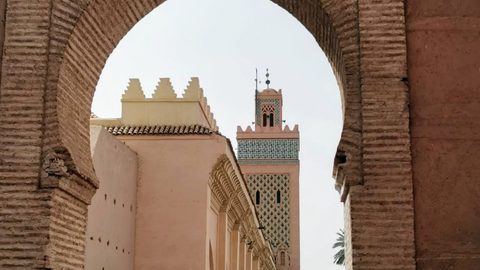 Three Days in Marrakesh Without Spending All Three in Queues
Three days in Marrakesh is enough if you sequence it right. Here is an itinerary that avoids the queues, the backtracking, and the midday heat.
Three Days in Marrakesh Without Spending All Three in Queues
Three days in Marrakesh is enough if you sequence it right. Here is an itinerary that avoids the queues, the backtracking, and the midday heat.
-
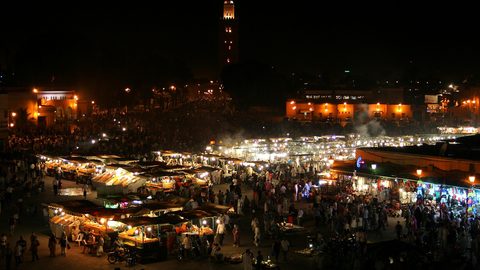 Eating in Marrakesh The Tables Worth Booking and the Stalls That Are Theatre
Eating in Marrakesh means pit-roasted mechoui at lunch, tangia from furnace ashes, and Jemaa el-Fna stalls where the theatre sometimes outshines the food. Here is what to order.
Eating in Marrakesh The Tables Worth Booking and the Stalls That Are Theatre
Eating in Marrakesh means pit-roasted mechoui at lunch, tangia from furnace ashes, and Jemaa el-Fna stalls where the theatre sometimes outshines the food. Here is what to order.
-
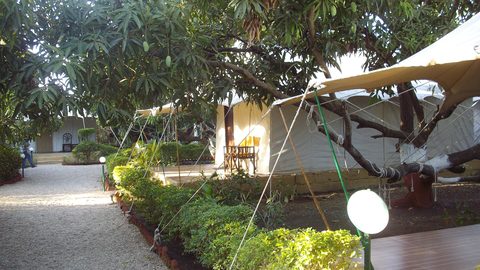 Marrakech glamping and when the tent is actually worth the price
When Marrakech glamping is a genuine desert night with fire and silence, and when it is just an expensive tent with a photo opportunity.
Marrakech glamping and when the tent is actually worth the price
When Marrakech glamping is a genuine desert night with fire and silence, and when it is just an expensive tent with a photo opportunity.
-
 Talking to Marrakech Travel Writers About What They Do Differently
Marrakech travel writers explain how they vet medina fixers, talk to riad owners off-record, and why they refuse free hammam treatments.
Talking to Marrakech Travel Writers About What They Do Differently
Marrakech travel writers explain how they vet medina fixers, talk to riad owners off-record, and why they refuse free hammam treatments.
-
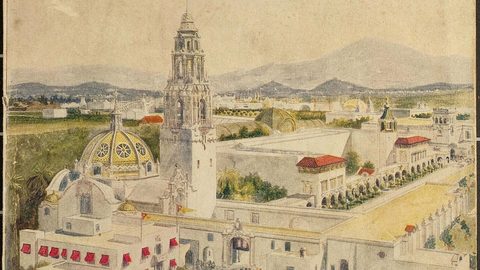 How to Read a Marrakech Destination Guide Without Getting Burnt
Marrakech destination guides carry specific biases in their medina maps, riad listings, and restaurant picks. Learn to read them critically.
How to Read a Marrakech Destination Guide Without Getting Burnt
Marrakech destination guides carry specific biases in their medina maps, riad listings, and restaurant picks. Learn to read them critically.