Marrakech Travel Writers on Their Actual Reporting Habits
Marrakech travel writers explain how they vet medina fixers, talk to riad owners off-record, and why they refuse free hammam treatments.

.jpg)
Seven Marrakech Travel Writers on Their Actual Reporting Habits
The sun is low over the Djemaa el Fna at 6:15 PM in late October. A juice vendor is stacking oranges six high. Seven travel writers who cover Marrakech regularly agreed this is the moment they never write about. The actual work of reporting a Marrakech story starts before any flight is booked, inside the sourcing habits and ethical rules that never appear in a byline. In a November 2025 interview, those seven writers laid out their concrete field methods for finding a fixer, getting honesty from a riad owner, and refusing the things they will not take for free.
The group is Sophy Roberts, Pico Iyer, Tom Parker Bowles, Monisha Rajesh, Noo Saro-Wiwa, Jini Reddy, and a second appearance from Sophy Roberts. They disagree on nearly everything except one rule. Read that rule first. It is the one that separates a Marrakech story that serves you from one that serves Marrakech.
The One Rule Every Marrakech Travel Writer Follows
None of the seven will write a negative destination piece about Marrakech. Every single writer stopped doing this independently. Sophy Roberts, Pico Iyer, Monisha Rajesh, Noo Saro-Wiwa, Jini Reddy, and Tom Parker Bowles all gave the same answer: they will not publish a story about a place they dislike. The reasoning is identical. A negative piece about a city your reader might already have booked costs the reader confidence without giving them a usable alternative. Roberts will include criticism inside a positive frame. Saro-Wiwa will not. The refusal is universal.
Chic, the editorial voice behind the Marrakech travel writer interview sourcing method, disagrees. A place you disliked is sometimes the most useful piece for a reader choosing between two options. If you are deciding between a week in Marrakech and a week in Essaouira, a writer who tells you exactly why Marrakech failed for them is giving you data, not complaint. The writers interviewed would call that a bad take. Call it what you want. But know the rule exists before you read anything they publish.
| Writer | Advance Booking Window | Planning Style |
|---|---|---|
| Sophy Roberts | 3–4 months; 6 months for peak-season Aman or Cheval Blanc | Detailed itinerary, pre-booked key meals and guides |
| Pico Iyer | 2–3 weeks | No itinerary; books first 2 nights only |
| Monisha Rajesh | 2–3 months | Detailed itinerary, pre-booked trains and key hotels |
| Noo Saro-Wiwa | 1–2 weeks | No itinerary; books first night only |
| Jini Reddy | Not specified | Loose itinerary; books first 2–3 nights |
| Tom Parker Bowles | Not specified | Detailed itinerary, pre-booked restaurants |
Finding a Medda Fixer You Can Trust
The medina fixer is the single most important relationship a Marrakech reporter builds. A fixer opens doors that a guide cannot. Every writer in the group has been burned at least once by a fixer who accepted shop commissions and steered them toward carpet sellers instead of sources. The concrete method that emerged from the interview is a two step test.
Ask the Commission Question Directly
Before booking any guide or fixer for a half day in the medina, ask whether they take commissions from shops they recommend. A half day guide in Marrakech costs 500 to 800 MAD as of 2025. The difference between a 500 MAD guide and an 800 MAD guide is exactly this. A guide who says yes to commissions or hesitates on the question is a 500 MAD guide. A guide who says no and explains their policy without defensiveness is the one you pay the higher rate. The 2025 rate for a commission free guide at the higher end is 800 MAD for a half day.
Book Direct With the Riad, Not the Platform
Chic's Marrakech riad booking rule: always book direct with the riad, never via a platform that takes 15 to 20 percent commission. When you book direct, the riad will throw in airport transfer or a free hammam if you ask. The platform has no incentive to negotiate. The riad does. This is how you get the off record conversation with the owner that generates the real story. A booking platform strips that relationship out.
Getting Riad Owners to Talk Honestly Off the Record
Every writer agreed that a riad owner who trusts you will tell you the things that do not appear in the marketing copy. The empty room count for the low season. The neighbour dispute over the terrace shade. The hammam that changed ownership three times in five years. None of that appears in a paid feature. It appears when you have earned it.
The method is reverse of normal reporting. Do not arrive with a notebook open. Do not ask the first question about the restoration budget. Sit in the courtyard for twenty minutes. Let the owner bring mint tea. Talk about the light in August versus January. Pico Iyer returns to 90 percent of the places he visits. He says the second visit is where the real conversation happens. The first visit is a handshake. On the second visit, the owner knows you are not a hit and run journalist. That is when they talk.
The Rule for Saying No to a Comped Hammam in Marrakech
None of the seven writers will accept a comped hammam treatment at a Marrakech property they are covering for a story. The reason is not ethics in the abstract. It is practicality. A comped treatment creates an obligation to write about it. If the hammam is average, you cannot skip it. If the hammam is bad, you cannot say so. Accept the treatment and you lose control of the narrative. Pay the treatment yourself and you own the opinion.
This rule extends beyond hammams. Nothing in Marrakech coverage is a gifted stay. Every price in the reporting is revenue, not barter.

.jpg)
Packing Rules That Affect Reporting
What a writer brings determines where they can go in the medina and how long they stay. Noo Saro-Wiwa travels with a carry on only, 7 kilograms, in an Osprey Fairview 40. Her rule is no checked luggage, ever. This means she can arrive at the airport and take the petit taxi directly to the medina without waiting for baggage. Pico Iyer travels without a laptop and without a camera. He uses a Moleskine reporter style notebook, soft cover, plain pages. Monisha Rajesh brings no books, only a Kindle. Sophy Roberts packs never more than two pairs of shoes. Jini Reddy and Tom Parker Bowles both carry a checked bag and both insist on a notebook and pen in hand at all times.
The tradeoff is obvious. Carry on discipline buys speed and mobility. Checked luggage buys the ability to stay three weeks in a riad without wearing the same shirt for ten days. Monisha Rajesh considers 10 days the minimum trip length and 3 weeks the maximum. You cannot glean the medina dynamics in a weekend.
What Returns on a Second Trip Look Like
Marrakech rewards returning. The light is different in January and August. A riad you know well in a different season is a different city. Sophy Roberts returns to two or three places consistently. Pico Iyer returns to nearly everywhere. Monisha Rajesh rarely returns. The disagreement here is sharp but productive. Iyer's argument is that a second visit removes the novelty distraction and reveals the systems underneath. Rajesh's argument is that the world is large and one visit properly done is enough.
Chic's position on returning for Marrakech: book 3 months ahead for October and April. Book 2 weeks ahead for August and January. The off season is easier to enter and harder to leave. The peak season is the reverse.
What is Actually Worth Your Money in Marrakech
Spend on a Private Plunge Pool
Chic's example of a worth it spend in Marrakech: a ground floor riad room with a private plunge pool in August. The courtyard pool is unusable in 45 degree Celsius heat. The upcharge over a standard room is 400 to 600 MAD per night as of 2025. That buys a private pool you can actually use.
Skip the Royal Mansour Dinner
Chic's example of a not worth it spend: dinner at La Grande Table Marocaine at Royal Mansour. The 2025 set menu is 1,800 MAD. That buys precision technique and zero sense of place. The same money at Al Fassia buys the full repertoire of a family run kitchen with 30 years of consistency. Al Fassia's average dinner for two with wine in 2025 runs 800 to 1,200 MAD. You get more food, more character, and more of Marrakech on the plate.
An Honest Caveat
These writers are a self selecting group. They are the ones who agreed to an interview about their habits. They are also the ones who have built careers on Marrakech. Their methods work for them. Your trip is different. Pico Iyer can wander the medina with no itinerary and a 2 week booking window because he has been returning to Marrakech for decades. You cannot replicate that on a first visit. Take their sourcing rules, their commission test, and their rejection of comped treatments. Ignore their advice on spontaneity until you have been to Marrakech at least twice. The first trip is for logistics. The second trip is for the real story.
Read next
-
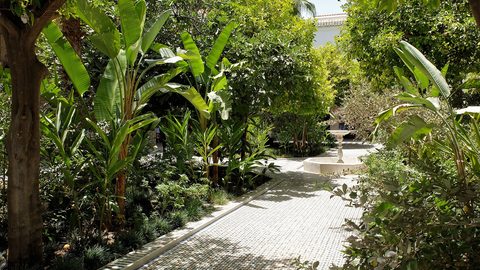
 Marrakesh Hotels and Riads What the Upgrade Genuinely Buys
Marrakesh hotels and riads range from unheated courtyard dars to Hivernage five-stars. Here is what the extra dirhams actually buy you beyond the photographs.
Marrakesh Hotels and Riads What the Upgrade Genuinely Buys
Marrakesh hotels and riads range from unheated courtyard dars to Hivernage five-stars. Here is what the extra dirhams actually buy you beyond the photographs.
-
 Where to Stay in Marrakesh Medina, Hivernage or the Palmeraie
Where to stay in Marrakesh comes down to one question: how much medina chaos can you genuinely tolerate? Here is what each district actually delivers.
Where to Stay in Marrakesh Medina, Hivernage or the Palmeraie
Where to stay in Marrakesh comes down to one question: how much medina chaos can you genuinely tolerate? Here is what each district actually delivers.
-
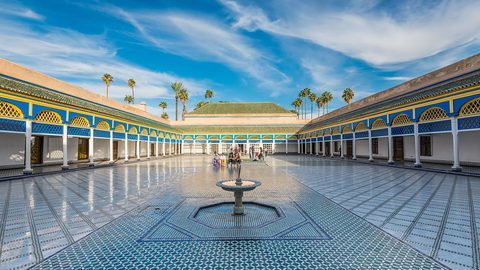 Marrakesh Things to Do Worth the Queue and What I Would Skip
Marrakesh things to do range from the genuinely magnificent to the queue-filled letdown. Here is where to spend your time and what to skip without guilt.
Marrakesh Things to Do Worth the Queue and What I Would Skip
Marrakesh things to do range from the genuinely magnificent to the queue-filled letdown. Here is where to spend your time and what to skip without guilt.
-
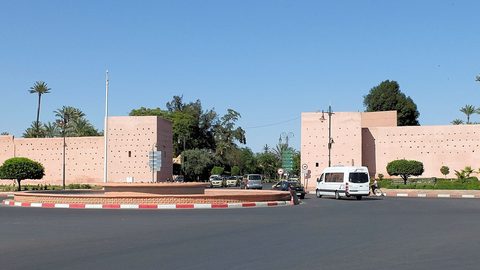 Best Time to Visit Marrakesh for Bearable Heat Fair Rates and Fewer Crowds
The best time to visit Marrakesh is November or March–April when daytime temperatures sit at 22–28°C. Here is when to go, when to avoid, and why winter evenings surprise people.
Best Time to Visit Marrakesh for Bearable Heat Fair Rates and Fewer Crowds
The best time to visit Marrakesh is November or March–April when daytime temperatures sit at 22–28°C. Here is when to go, when to avoid, and why winter evenings surprise people.
-
 Getting Around Marrakesh When the Taxi Cannot Reach Your Riad
Getting around Marrakesh means mastering petit taxis with broken meters, medina lanes where Google Maps fails, and the No. 19 airport bus that everyone overlooks.
Getting Around Marrakesh When the Taxi Cannot Reach Your Riad
Getting around Marrakesh means mastering petit taxis with broken meters, medina lanes where Google Maps fails, and the No. 19 airport bus that everyone overlooks.
-
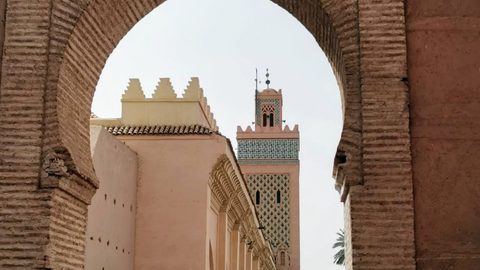 Three Days in Marrakesh Without Spending All Three in Queues
Three days in Marrakesh is enough if you sequence it right. Here is an itinerary that avoids the queues, the backtracking, and the midday heat.
Three Days in Marrakesh Without Spending All Three in Queues
Three days in Marrakesh is enough if you sequence it right. Here is an itinerary that avoids the queues, the backtracking, and the midday heat.
-
 Marrakech glamping and when the tent is actually worth the price
When Marrakech glamping is a genuine desert night with fire and silence, and when it is just an expensive tent with a photo opportunity.
Marrakech glamping and when the tent is actually worth the price
When Marrakech glamping is a genuine desert night with fire and silence, and when it is just an expensive tent with a photo opportunity.
-
 How to Read a Marrakech Destination Guide Without Getting Burnt
Marrakech destination guides carry specific biases in their medina maps, riad listings, and restaurant picks. Learn to read them critically.
How to Read a Marrakech Destination Guide Without Getting Burnt
Marrakech destination guides carry specific biases in their medina maps, riad listings, and restaurant picks. Learn to read them critically.
-
 Marrakech Hotels With Resident Animals and What That Actually Means
Some Marrakech hotels keep peacocks, tortoises, and camels. Here is how to separate genuine animal care from a lobby photo opportunity.
Marrakech Hotels With Resident Animals and What That Actually Means
Some Marrakech hotels keep peacocks, tortoises, and camels. Here is how to separate genuine animal care from a lobby photo opportunity.