Navigating the Marrakech Medina When Stairs Are Not an Option
A practical guide to Navigating the Marrakech Medina When Stairs Are Not an Option.
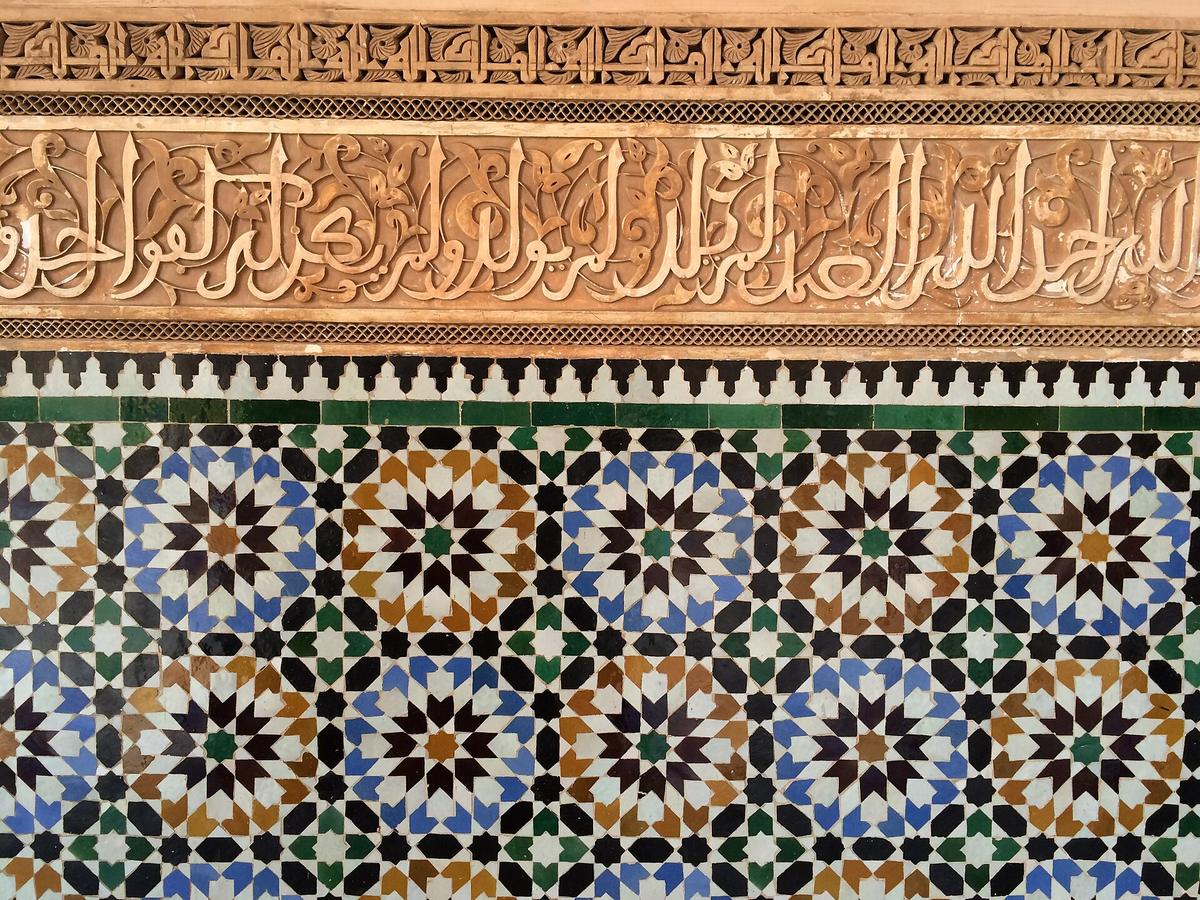

What the medina actually looks like from a seated perspective
Marrakech sits on a flat plain. That single geographical fact reshapes the conversation about wheelchair access before you even arrive. Unlike Fes, where the old city climbs and dips through folded hills, the Marrakech medina spreads across level ground with no notable gradient. The lanes are also broadly wider than those of other Moroccan medinas, which means the fundamental geometry of the city works in your favour more often than it fights you.
That does not mean the surface under your wheels is smooth. Jemaa el-Fna square and the principal souk arteries are crossable by wheelchair, but the ground is uneven in places. You will feel the texture of worn cobbles, packed earth and irregular paving through your castors. The square itself is vast and open, which gives you room to manoeuvre, but the transition from the square into the surrounding lanes can catch you at unexpected lips and ridges.
What you cannot see from photographs is the step. Almost every shop in the medina has a step at the door and an interior too tight to manoeuvre a wheelchair. The souk setting is accessible in the sense that you can move through the market streets, but individual shops are generally not. This is a hard limitation worth internalising before you go. You will be browsing from the threshold, not from inside the Aladdin's cave. The experience is still rich, but it is different, and knowing that in advance prevents disappointment from accumulating hour by hour.
Kerbs, scooters and the art of staying visible
Moving beyond the medina into the modern Guéliz district does not solve every problem. Kerbs in Marrakech are rarely dropped at pedestrian crossings, including in Guéliz, which often forces wheelchair users onto the road. This is not a medina quirk. It is a citywide design gap that means you will need to make continual micro-decisions about whether to stay on the pavement and search for a ramp or take the carriageway and share space with traffic.
Inside the medina, the traffic is smaller but faster. Motor scooters thread through the lanes at speed without warning and are a recognised hazard for wheelchair users who cannot step aside quickly. There is no dedicated pedestrian zone that scooters respect. The sound of an approaching engine can be the only alert, and it often comes from behind. Staying visible, wearing bright colours and keeping to one side of the lane are practical habits that reduce the risk, but the hazard is real and constant.
One editorial recommendation emerges clearly from these two facts: plan your routes to minimise unnecessary transitions between pavement and road, and treat every lane as a shared space where you are the slower participant. This is not a value judgement about the city. It is a strategic choice based on the physical conditions the research confirms.
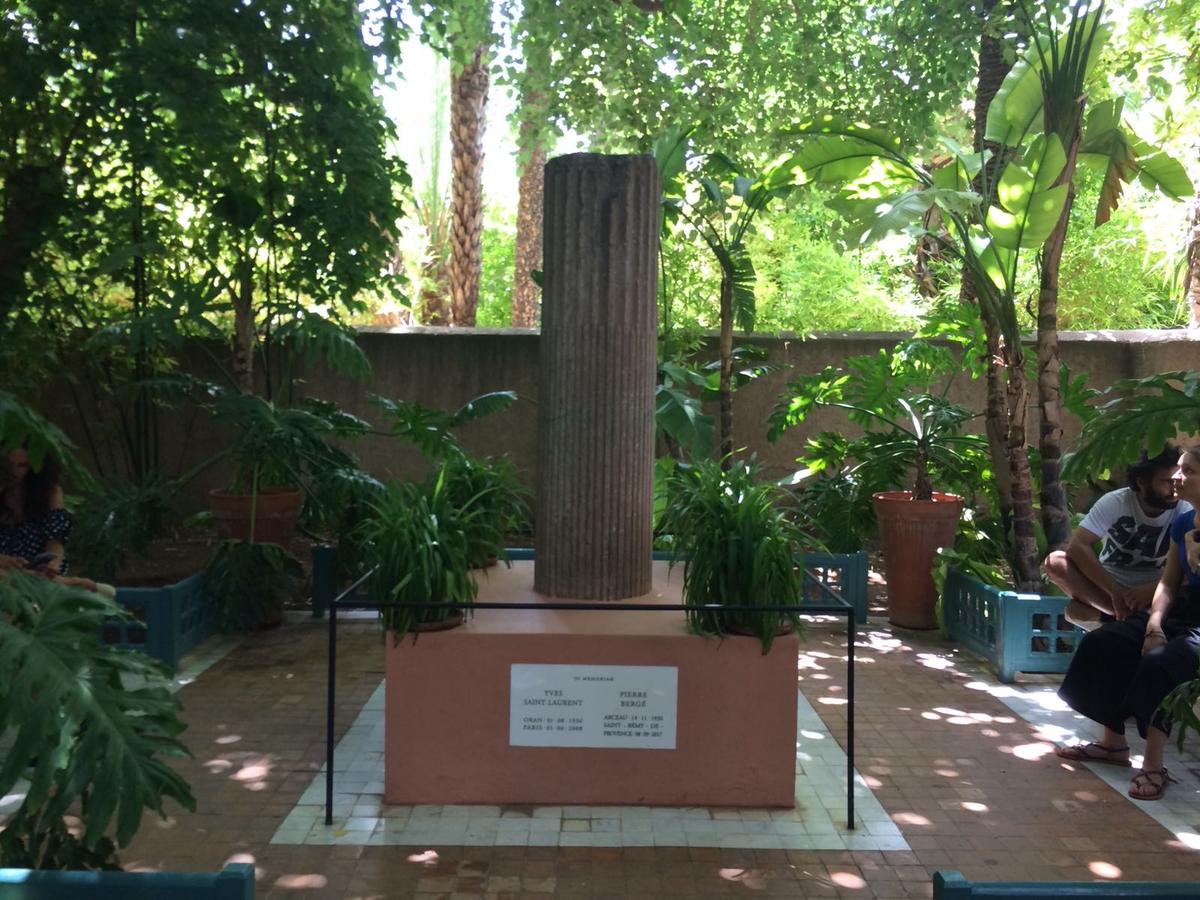

Monuments that welcome you and monuments that do not
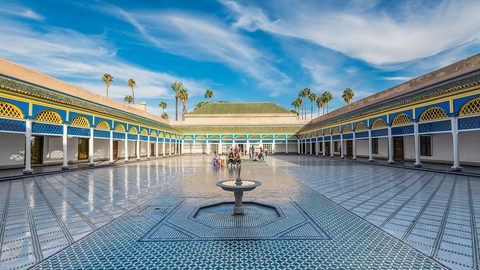
Bahia Palace is built entirely on a single level with no staircases on the main visitor route, making it one of the most wheelchair-friendly historic monuments in Marrakech. The word "historic" matters here. This is not a modern building retrofitted for access. It is a nineteenth-century palace whose original design happens to align with level access, and that is rare. Raised thresholds and uneven zellige floors remain obstacles, so you will still need to navigate carefully, but the absence of stairs on the primary circuit is a genuine advantage. There are no adapted toilets at the palace, so factor that into your timing.
Le Jardin Secret sits inside the medina and is accessible to people with reduced mobility in all areas except the tower and one of the two coffee shops. The garden offers free priority admission for wheelchair users and their carers. This is a calm, enclosed space where the surface is manageable and the layout allows you to move through the Islamic garden quadrants without encountering steps. The exclusion of the tower is a minor loss compared to the overall access you gain.
The Jardin Majorelle operates on a different model. It is wheelchair accessible with a continuous tarmac route allowing the full circuit, and admission is free for persons with disabilities upon presentation of a valid disability card. The tarmac surface is the standout detail. It removes the uneven-ground variable entirely and lets you focus on the planting and colour. Check the official Jardin Majorelle website for current admission prices and opening hours before you visit, as both are subject to change.
Not every famous site makes the cut. The Ben Youssef Madrasa is not wheelchair accessible. The Saadian Tombs are partially accessible: the garden courtyard is flatter but the entrance passage is narrow and uneven with steps and no ramp, and the Chamber of the Twelve Columns can only be viewed from outside. If your itinerary is tight, the research supports prioritising Bahia Palace, Le Jardin Secret and Jardin Majorelle, and accepting that the madrasa and the inner tomb chamber are effectively off the list.
Arriving, sleeping and moving around the city
Marrakech Menara Airport is wheelchair accessible with ramps and lifts throughout the terminal and disabled toilets. Passengers requiring assistance must notify their airline at least 48 hours before travel. That 48-hour rule is not a suggestion buried in small print. It is the trigger that activates the assistance chain, and missing it can mean waiting at the airport while arrangements are improvised.
For ground transport, a specialist adapted-transport company called TPMR Maroc operates wheelchair-accessible minibuses with electric tail lifts in Marrakech. They offer airport transfers, private chauffeur services and adapted excursions. Availability and pricing must be confirmed directly with TPMR Maroc at the time of booking. This is not a hail-from-the-kerb service. It is a pre-booked resource that can shape your entire trip if you lock it in early.
Two accommodation options appear in the verified research with specific accessibility features. Riad Vendôme, in the Dar El Bacha district of the medina, offers a ground-floor wheelchair-accessible room called Suite Junior Zagora with step-free access, an en-suite wet room and a flat 100-metre alleyway route from the nearest car park. Handioasis, an accessible guesthouse roughly seven kilometres from Marrakech on the Ourika road, has welcomed disabled travellers since 2008 and offers adapted rooms, a heated pool with a pool lift and assistance planning accessible excursions. Both properties require direct confirmation of availability and pricing at the time of booking. The choice between them is partly a choice between medina immersion and poolside calm outside the city.
The bigger picture and what to verify yourself
Morocco has been working on accessibility at a national level for over a decade. The Ministry of Solidarity, Social Development, Equality and Family launched the national "Villes Accessibles" programme in 2018, building on an earlier accessibility pilot project conducted in Marrakech in cooperation with the World Bank between 2012 and 2016. This is not a promise that every street corner is navigable. It is evidence that accessibility has been on the institutional agenda long enough that some improvements are embedded and others are still in progress.
Several details in the guidance are mutable and require your own verification. Admission prices for Jardin Majorelle, Bahia Palace, the Saadian Tombs and other monuments change. Check the official website of each site for current rates. Opening hours shift seasonally and during restoration work. Restoration following the 2023 earthquake may still affect accessible routes at Bahia Palace and the Saadian Tombs. Ask staff at the entrance which areas are open on the day you arrive. Transport availability with TPMR Maroc and room availability at Handioasis and Riad Vendôme must be confirmed directly. None of these are obstacles to a successful trip. They are simply variables that reward a traveller who checks before committing.
Sources and verification
- marrakech-cityguide.com — Research source checked for this guide
- handilol.com — Research source checked for this guide
- jardinmajorelle.com — Research source checked for this guide
- lejardinsecretmarrakech.com — Research source checked for this guide
- visitbahiapalace.com — Research source checked for this guide
- saadian-tombs.com — Research source checked for this guide
Read next
-
 Marrakesh Hotels and Riads What the Upgrade Genuinely Buys
Marrakesh hotels and riads range from unheated courtyard dars to Hivernage five-stars. Here is what the extra dirhams actually buy you beyond the photographs.
-
 Where to Stay in Marrakesh Medina, Hivernage or the Palmeraie
Where to stay in Marrakesh comes down to one question: how much medina chaos can you genuinely tolerate? Here is what each district actually delivers.
-
 Marrakesh Things to Do Worth the Queue and What I Would Skip
Marrakesh things to do range from the genuinely magnificent to the queue-filled letdown. Here is where to spend your time and what to skip without guilt.
-
 Best Time to Visit Marrakesh for Bearable Heat Fair Rates and Fewer Crowds
The best time to visit Marrakesh is November or March–April when daytime temperatures sit at 22–28°C. Here is when to go, when to avoid, and why winter evenings surprise people.
-
 Getting Around Marrakesh When the Taxi Cannot Reach Your Riad
Getting around Marrakesh means mastering petit taxis with broken meters, medina lanes where Google Maps fails, and the No. 19 airport bus that everyone overlooks.
-
 Three Days in Marrakesh Without Spending All Three in Queues
Three days in Marrakesh is enough if you sequence it right. Here is an itinerary that avoids the queues, the backtracking, and the midday heat.
-
 Marrakech glamping and when the tent is actually worth the price
When Marrakech glamping is a genuine desert night with fire and silence, and when it is just an expensive tent with a photo opportunity.
-
 Talking to Marrakech Travel Writers About What They Do Differently
Marrakech travel writers explain how they vet medina fixers, talk to riad owners off-record, and why they refuse free hammam treatments.
-
 How to Read a Marrakech Destination Guide Without Getting Burnt
Marrakech destination guides carry specific biases in their medina maps, riad listings, and restaurant picks. Learn to read them critically.